Service scope
Overhead crane maintenance services
Specialized maintenance for operational continuity
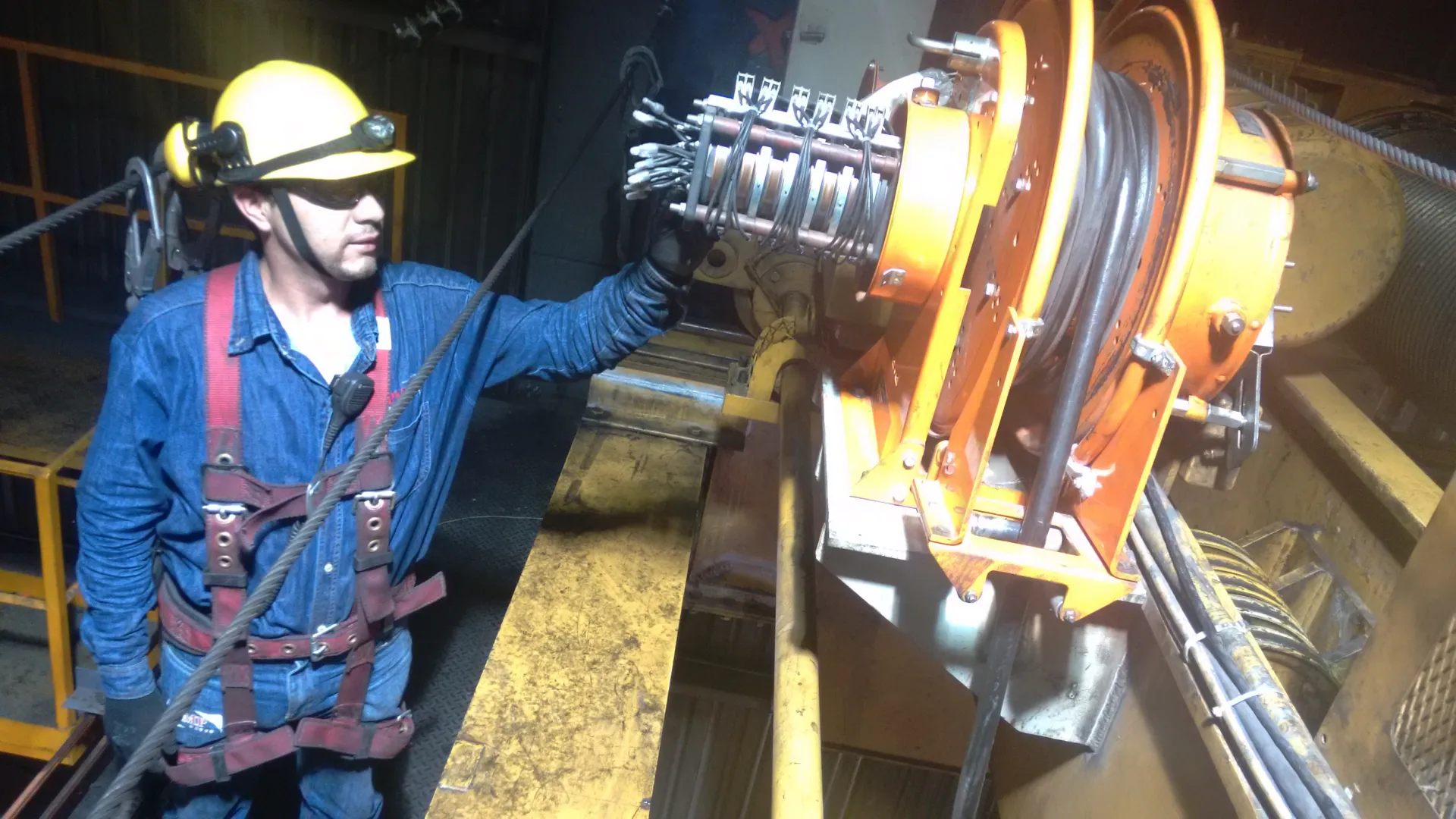
Strong Kranes performs preventive maintenance, corrective maintenance, and lubrication on overhead cranes of different brands, capacities, and configurations. The work preserves mechanical, electrical, and functional equipment condition, controls wear, and addresses abnormalities before they cause major damage or unplanned downtime.
Our diagnostic and repair experience connects each finding to practical action. In addition to completing scheduled activities, we identify abnormal conditions and provide technical recommendations to maintain crane safety, reliability, and availability.
Service scope
The scope is adapted to each crane’s type, brand, capacity, and condition.
Mechanical maintenance
- Review of the hoist, trolley, wheels, running gear, shafts, bearings, and supports.
- Inspection of reducers, gearmotors, sheaves, drums, wire rope, hooks, and hook blocks.
- Brake, fastener, and mechanical-component inspection and adjustment.
- Identification of wear, clearances, leaks, and damage.
Electrical maintenance
- Inspection of motors, electrical panels, wiring, connections, and electrification systems.
- Review of contactors, relays, protective devices, controls, and pendants.
- Inspection of variable-frequency drives when applicable.
- Functional verification of crane motions.
Lubrication, testing, and documentation
- Lubrication of manufacturer-defined points, bearings, mechanical elements, hoist parts, and travel components.
- Review of reducer lubricant levels and condition when applicable, plus removal of excess lubricant or contamination.
- Hoisting, lowering, trolley travel, bridge travel, braking, and movement tests.
- Adjustments included in the scope and identification of abnormal noise, vibration, or behavior.
- Records of activities, reviewed components, findings, photographic evidence, and recommendations.
Activities not included by default
Unless expressly stated in the quotation, the service does not include replacement parts; motor, reducer, wheel, or wire-rope replacement; hoist repair or replacement; structural or runway-rail repairs; welding; component fabrication; nondestructive testing; specialized load testing; modernization; or painting. When we identify an additional need, we can provide a separate proposal.
Equipment, components, and industries
We service single- and double-girder cranes, gantry and semigantry cranes, and process, production, service, and material-handling cranes. This includes equipment with wire-rope or chain hoists, conventional controls, variable-frequency drives, or radio remote controls.
Maintenance may cover the bridge, end trucks, hoist, trolley, hook, wire rope, sheaves, drums, brakes, motors, gearmotors, wheels, rails, electrification, panels, drives, controls, and safety devices.
The service is especially valuable when a crane is critical to production or material handling, operates intensively or in a demanding environment, is older, or has recurring failures. We serve automotive, steel and metallurgy, foundry and casting, manufacturing, distribution, warehousing, machinery, and heavy-industry applications.
Requirements, duration, and operational impact
To perform the service, the customer should provide the following when available:
- Crane information, capacity, brand, model, and serial number.
- Maintenance history, fault reports, and required maintenance frequency.
- Safe access, work permits, and safety orientations.
- A safe work area, equipment availability, and information about site-specific hazards.
- Safe access arrangements for work at height in accordance with plant procedures and the quotation.
Preventive maintenance can be performed from one workday. Duration depends on capacity, configuration, component quantity and condition, access, number of cranes, and contracted activities. Corrective work or complex equipment may require additional time.
The crane must remain out of service during maintenance and testing. We coordinate downtime in advance and, when several cranes are available, can schedule work by unit to support operational continuity.
Deliverables and technical criteria
Depending on the scope, the customer receives a maintenance report covering the activities and components reviewed, photographic evidence, findings, recommendations, and a list of components that require attention or later work.
The service considers CMAA guidance, manufacturer recommendations and specifications, operating condition, maintenance procedures, customer safety requirements, and applicable technical criteria. When relevant to the scope, ASME B30.2 criteria may also be considered.
Strong Kranes provides overhead crane maintenance services throughout Mexico, subject to availability, logistics, access, and project scope.
Information needed for a quotation
To prepare a proposal, share the number and capacity of the cranes, available brand and model information, plant location, crane and hoist types, requested scope, and preferred service date.